In the dim glow of the emergency department, Dr Robby holds an infant abandoned in the chaos of trauma. Robby cradles him with a tenderness that seems incongruous with the man we have watched unravel across the season. “You have so many wonderful things to see,” he whispers, his voice cracking. “And so many people to love ahead of you.”
When Robby speaks these words of comfort to the child, something shifts in his eyes — a dawning recognition that he is not merely soothing an abandoned infant, but speaking to the abandoned parts of himself that, too, deserve saving. It is a moment that crystallizes a tragedy of modern medicine: The very skills that enable physicians to heal others can become the mechanisms that prevent themselves from healing.
The Scope of Mental Health Struggles in Medicine
As we enter Mental Health Awareness Month, it’s important to remember that physician burnout,depression, andsuicideremain prevalent concerns. It is estimated that roughlyhalf of all physicians have experienced symptoms of burnout, and over 300 physicians a year die by suicide. Many suggest the true numbers may be even higher, as historically physicians have felt discouraged from disclosing mental health struggles or seeking help.
What We Learn to Carry — and Hide
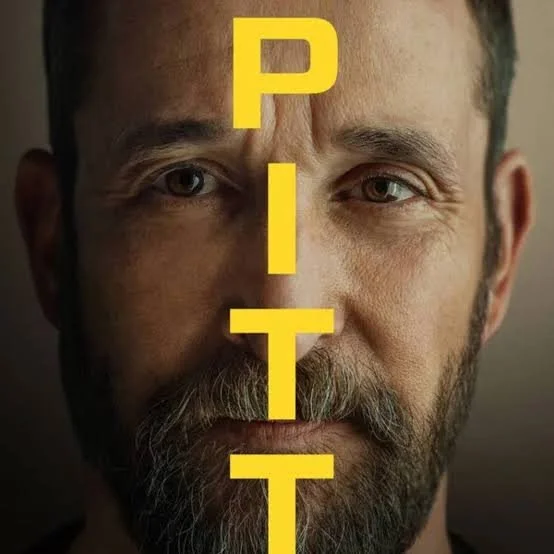
The narrative arc of The Pitt’s second season offers a rare and unflinching portrait of physician burnout as told through Robby’s internal battle to acknowledge his need for help and seek it. Months after surviving a mass shooting that shattered the equilibrium of their emergency department, we find each team member navigating their own nonlinear path to recovery. Robby, once the department’s unshakeable anchor, has become a walking cry for help — a man who has sacrificed everything to the altar of medicine only to discover that the calling he serves is slowly killing him.
His story illuminates a paradox that defines contemporary medical practice: compartmentalization, the essential skill that allows a physician to move from a room where one has died to another where a worried mother awaits test results and then another with a child gleefully laughing. We lock the darkness away, so the next patient receives our full attention, unburdened by the tragedies that came before them. This is not cruelty; it is compassion refined to its most disciplined form. Over months and years, patient after patient, we become experts at packing away horror, grief, and moral injury into neat, separate boxes deep within our chests.
But most of us are never taught how to unpack them. In The Pitt, it becomes clear that Robby never learned to do so.
The Many Faces of Healing
The season beautifully illustrates the nonlinear process of healing as each team member recovers from the mass shooting. As Robby moves through stages of healing, we see his process both supported and challenged by those around him.
Denial – Dr Whitaker: While seemingly healed and in a positive state of mind, Whitaker is unwilling to accept how problematic his relationship with a former patient is becoming, using his time to help her rather than work on himself. We see Robby is most comfortable with him, as he too is exhibiting the same patterns.
Anger – Dr Santos: Santos makes the difficult choice to turn in Langdon without feeling respected for the decision. When he returns healed, with support she was never given, she directs her inner turmoil at everyone around her. While Robby previously would call her out on this behavior, he now responds the same way to those around him.
Bargaining – Dr King: King is seeking control over life after the lack of control during the mass shooting. While the outcome of her legal battle feels out of her control, she turns to her sister and is desperate to maintain the bond they once had. Robby similarly latches on to the emergency department itself, desperate to ensure every aspect can run in case he never returns.
Depression – Dr Mohan: As Mohan questions her identity and role in emergency medicine, we witness her “typically motivated self” turn numb and lost. She speaks of the trauma they have witnessed and opens up about feeling its full weight. Robby actively pushes her to compartmentalize, projecting his own fear of confronting his pain, knowing she is a preview of his own potential future.
Acceptance – Dr Langdon: When Langdon hits rock bottom, Robby forces him to seek help. Langdon returns a new man, accepting both his shortcomings and understanding that he has far to go to fully heal. However, Robby instinctively pushes him away. Their relationship illustrates Robby’s greatest internal conflict — he recognizes Langdon’s need for help but is incapable or unwilling to consider his own needs. As Langdon takes the steps towards healing that Robby cannot, Robby projects his own inadequacy and fear that he may never find the same peace.
The Anatomy of a Quiet Crisis
Robby’s story is all too common across modern medicine. The statistics on physician suicide and depression, while shocking in their magnitude, fail to capture the experience of suicidal ideation that Robby and physicians like him embody. Modern medicine has intensified this crisis through a unique alchemy of pressures that previous generations did not face:
Greater medical distrust
Insurmountable levels of misinformation
Navigating a flawed health system that pairs growing population health demands with the highest rates of physician shortages to date
When he plans his motorcycle sabbatical, Robby is not planning a journey toward healing but an escape from existence. This distinction reveals the insidious nature of burnout in high-performing professionals. Robby’s “goodbye tour” through the department — giving away his apartment, ensuring his colleagues can succeed without him, leaving kindnesses that will outlast his presence — is a sign of his passive suicidal ideation and represents the final stage of his compartmentalization, where even the planning of his own absence is managed with clinical efficiency.
Yet despite the growing darkness in and around Robby, the season ends on a quiet image of hope. When Robby holds that abandoned infant, he sees not just a patient to be saved but a mirror reflecting his own abandonment — by his mother, by the system, and by himself. While Robby’s self-discovery is clear, his path to recovery lies in ambiguity. We do not see Robby debrief with his colleagues or begin therapy; we’re left to consider how he will begin to heal.
There is no universal protocol for healing. Some will need the structure of rehab that Langdon embraced, others will find solace in journaling or peer support, and still others will require clinical intervention. The path is individual, but the first step is universal — recognizing that mental health is health, and that the compartmentalization which preserves the physician for the patient must eventually be unpacked before it crushes the soul beneath its weight.
We Are Not Meant to Do This Alone
As we observe Mental Health Awareness Month, the narrative of Robby’s journey serves as both mirror and window — reflecting the reality of those inside the profession while offering patients and families a glimpse into the isolation behind the white coat. The emergency department may be filled with noise and chaos, surrounded by the desperate and the dying, yet it can become one of the loneliest places for those who serve within it.
Breaking the cage requires not just individual courage but a collective shift in how we view the healers among us — not as heroes to be placed on pedestals or villains to be cast down, but as humans who must first heal themselves if they are to continue healing others. What matters is not the method, but the recognition of when help is needed — and the courage to accept that needing help is not a professional failure, but a human truth.
We may find ourselves deep in the pit, but we may rise when we recognize that we cannot, and should not, climb out alone.
If you or someone you know is struggling with thoughts of depression or self-harm, please ask for help.
Mental Health Resources:
Suicide and Crisis Lifeline: 988
Physician Support Line: 1 (888) 409-0141
NAMI Helpline: 800-950-6264
Dr. Lorna Breen Heroes’ Foundation: https://drlornabreen.org/
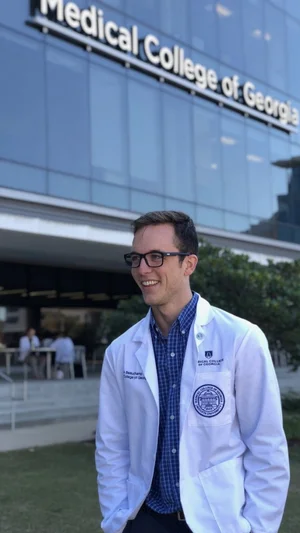
Tyler Beauchamp, MD, is a pediatric resident physician from UNC Children’s Hospital and a best-selling children’s/young adult author.