What “Spider-Man” Teaches Us About Burnout
published onMedCentral
There are few superheroes more beloved than Spider-Man. Not because he is the strongest, but because Peter Parker has always been painfully human. He worries. He doubts. He loses. He sacrifices. He carries unimaginable responsibility while constantly questioning if he’ll ever be enough.
That may be why Spider-Man: Brand New Day feels like an unexpected meditation on modern medicine.
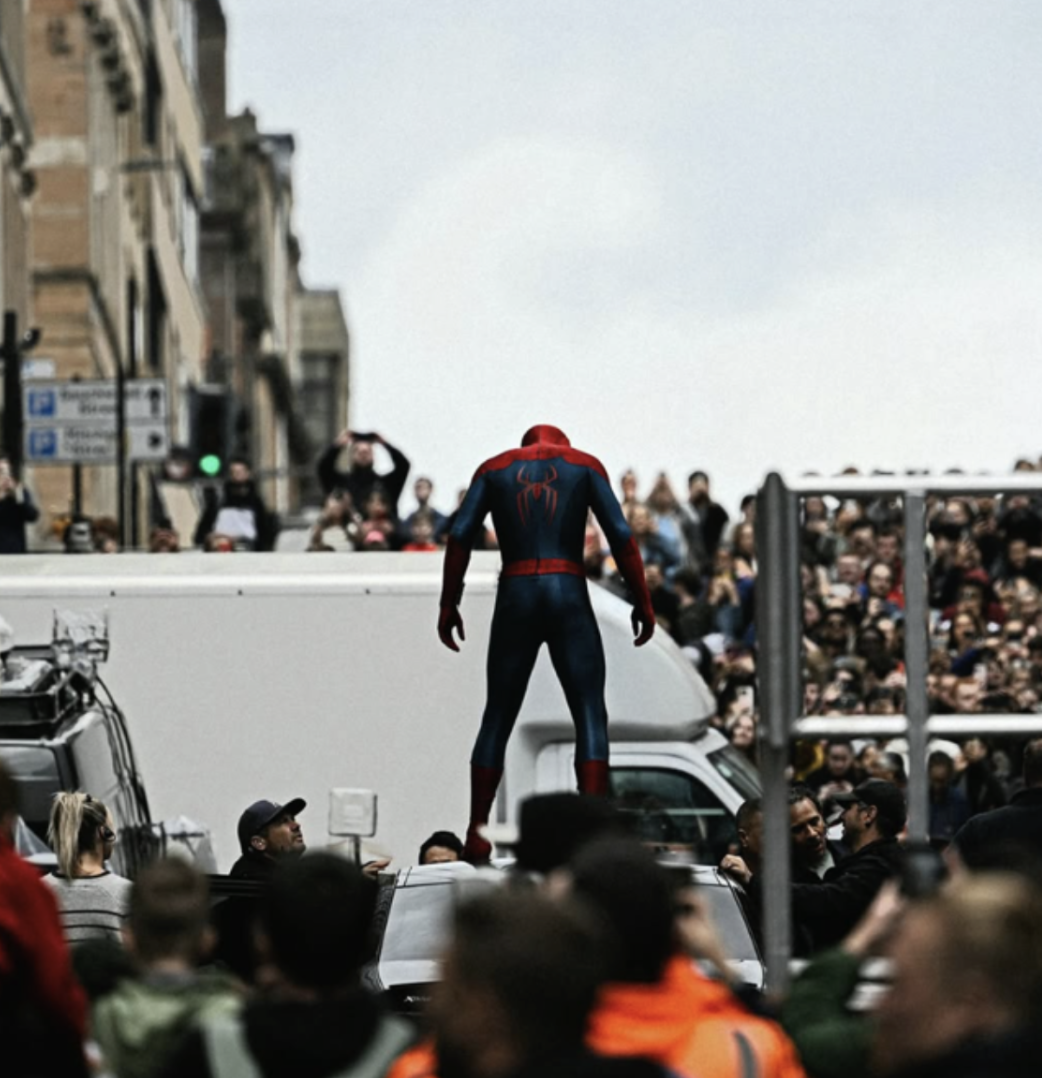
Brand New Day begins in the quiet aftermath of Peter Parker’s ultimate sacrifice, allowing everyone’s memory of him to be erased. Overnight, his identity disappears. His friends and his city move on, unaware of his endless acts of heroism. So, Peter becomes consumed by work, tirelessly swinging from calamity to calamity, filling the void where his identity, love, and belonging once lived.
Peter is utterly alone. Yet he keeps going to the next emergency, the next person to save, the next crisis demanding his attention.
If that sounds familiar, it’s because medicine often asks the very same thing of us.

courtesy of IndieWire
Right now, it’s estimated that roughly half of all physicians experience symptoms of burnout. Rates of burnout in medicine are nearly twice as high as in other careers. Those numbers are most likely an underestimate, given that historically we physicians have felt discouraged from disclosing mental health struggles or seeking help.
The system trains us to compartmentalize, yet all too often, it fails to connect us back to the world.
There is always another patient waiting in the emergency department. Another clinic note to finish. Another overnight call. The work never truly ends, which convinces us that neither should we.
For physicians, Brand New Day can be something more than a superhero story. It becomes a reflection on burnout, isolation, and perhaps the most difficult lesson medicine ever asks us to learn:
To continue healing others, we must remember how to care for ourselves.
And we must remember we were never meant to do this alone.
When Sacrifice Becomes Isolation
Medicine has always required sacrifice. We skip birthdays, holidays, weekends, and sleep. We postpone weddings, miss funerals, and watch nieces, nephews, and friends’ children grow up through photographs sent to our phones between shifts.

courtesy of The New York Times
Some sacrifice is inevitable. The danger begins when it quietly becomes our identity.
In Brand New Day, Peter doesn’t simply lose his relationships. He stops searching for new ones.
At first, his isolation is understandable, even noble. Peter convinces himself that keeping others at a distance protects them. He buries himself in the work: another rescue, another villain. Another reason not to think about the loneliness waiting when he returns home.
A career in medicine can create the same illusion of toxic self-reliance.
Training is, by its very nature, isolating. Learning medicine requires long hours spent studying alone. Clinical rotations scatter classmates across hospitals. Residency often sends us hundreds or thousands of miles from the communities that knew us best. As the years pass, life outside the hospital keeps moving. Friends build careers. They get married. They have children. Meanwhile, physicians often find themselves measuring time by rotations and call schedules rather than birthdays and anniversaries.
Isolation becomes easy to justify because, at first, it looks exactly like dedication.
We find ways to cope, to “just get through the day.” Eventually, however, something begins to disappear.
Not our knowledge.
Our humanity.
The Quiet Beginning of Burnout
Peter Parker spends much of Brand New Day pushing himself to exhaustion and doubling down on self-reliance. On the surface, these actions masquerade as virtues, but they are the very behaviors that, in medicine, we recognize as the stepping stones to burnout.

courtesy of The Gamer
He exhibits all the early warning signs:
withdrawal from relationships
abandoning hobbies that once brought joy
ignoring our own physical and mental health
accepting exhaustion as our baseline
convincing ourselves that isolation is simply what this profession demands “right now”
But as Spider-Man’s experience shows, the cost is often too high. The deeper he isolates, the more monstrous he becomes, losing the very humanity that once inspired him to serve.
Burnout doesn’t announce itself with a single terrible shift or one overwhelming patient. More often, it begins with small compromises that feel entirely reasonable. You skip dinner because you’re too busy. You stop exercising because there isn’t enough time. You tell yourself you’ll reconnect with friends after this rotation.
After this exam. After residency. After fellowship.
There is always one more milestone waiting before life can begin again.
Like Peter, we slowly convince ourselves that these sacrifices are temporary while unknowingly building a life in which work becomes the only thing left. It becomes our sole identity and purpose.
The cruel irony is that in practice many of these behaviors are rewarded. We praise the physician who never goes home or the trainee who never asks for help. The resident who always volunteers for one more task or procedure.
The deeper we buy into that mindset, the harder it can become to recognize that our coping mechanisms are no longer keeping us afloat. They’re pulling us under.
Eventually, it’s easy to lose the very parts of ourselves that made us healers in the first place. And in the end, those who suffer the most are the patients deprived of the humanistic medicine they deserve.
The True Superpower
Throughout the film, Peter relies on what he believes to be his greatest strengths: speed, strength, reflexes, intellect.
Medicine teaches us something remarkably similar. For years we train to perfect our diagnostic reasoning, procedural skills, clinical judgment, and our ability to remain composed amid chaos.
While these tools are extraordinary, they pale in comparison to our greatest strength: our humanity.
The turning point in Brand New Day doesn’t happen because Peter outsmarts or defeats the villain. It arrives because he chooses to find common ground. He recognizes something familiar within them – grief, loneliness, fear, and loss – and chooses connection over destruction, empathy over domination.
In doing so, he doesn’t just save his adversary or the city of New York. He begins to save himself.
Clinical excellence can diagnose disease, but humanity heals where medicine cannot.
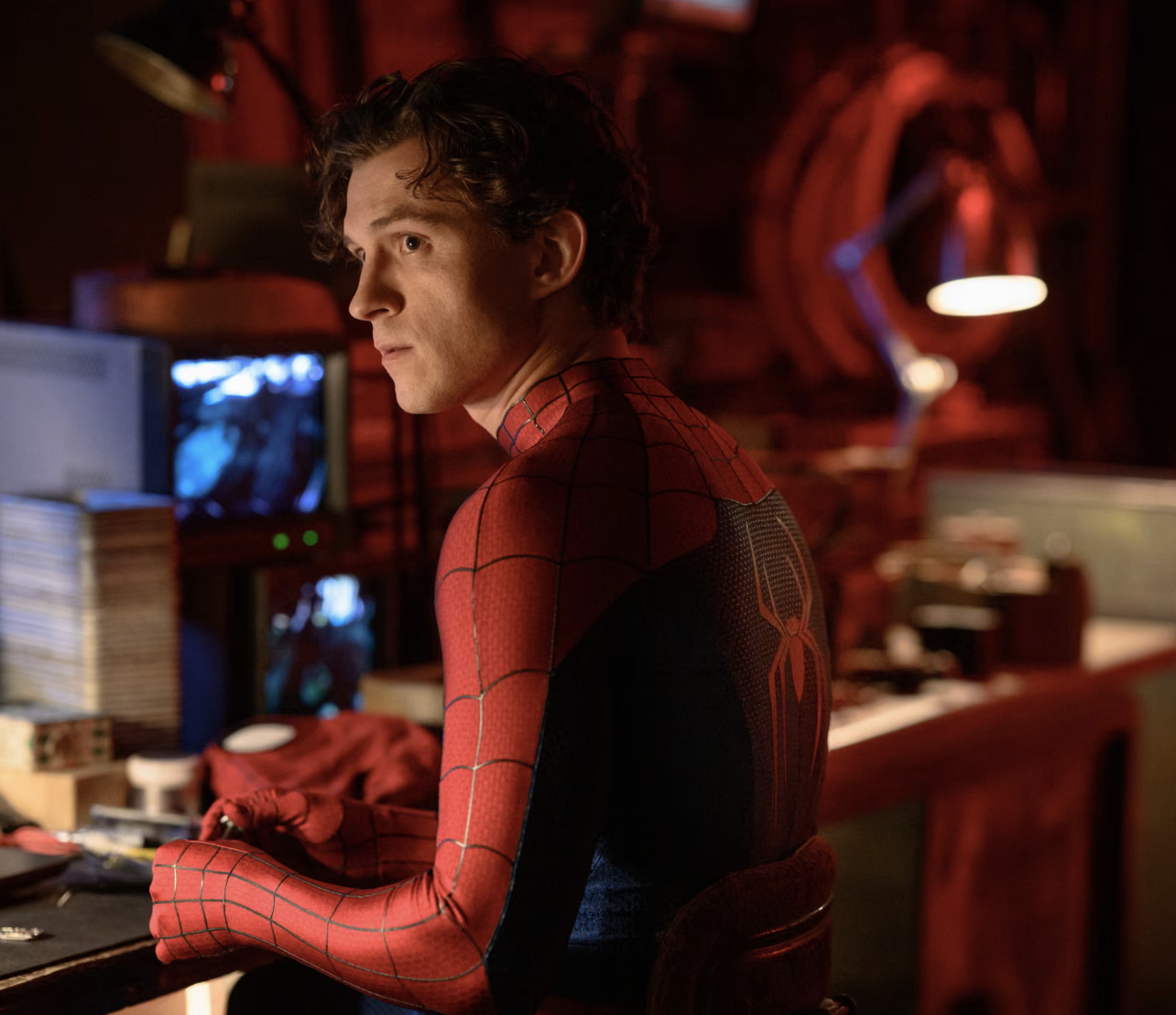
courtesy of The Guardian
A brilliant treatment plan means nothing if a patient doesn’t accept or trust it. Our compassion is not separate from our clinical abilities; it is one of them. Being able to connect with someone in a way that makes them feel understood is one of the greatest strengths we can employ as physicians.
Letting ourselves be open to our pain – whether to a colleague, a therapist, or a friend – is not only a salve for our own wounds, but also a gift to others. When we admit we’re struggling, it gives room for others to do the same. There is power in asking for help, in recognizing your limitations, and in being vulnerable.
Vulnerability doesn’t merely heal the person sharing. It helps heal the culture surrounding them.
Hope Is Found in Trying Again
If you’re feeling the first twinge of burnout or if you’ve been struggling with it for some time, it’s never too late to course-correct. Reach out to a friend you haven’t kept up with. Call your family. Pick up the guitar that’s been collecting dust. Go for the run you’ve postponed for months. Schedule the therapy appointment you’ve been considering.
None of these things erase burnout overnight. Neither does Peter’s first attempt at reconnecting. Midway through Brand New Day, Peter puts himself out there by attending a party to reconnect with old friends. He quickly learns, though, that it will take much more than one night to rebuild what he lost.
Similarly, with burnout, healing doesn’t happen all at once.
It begins with one conversation, one habit, one effort at a time.
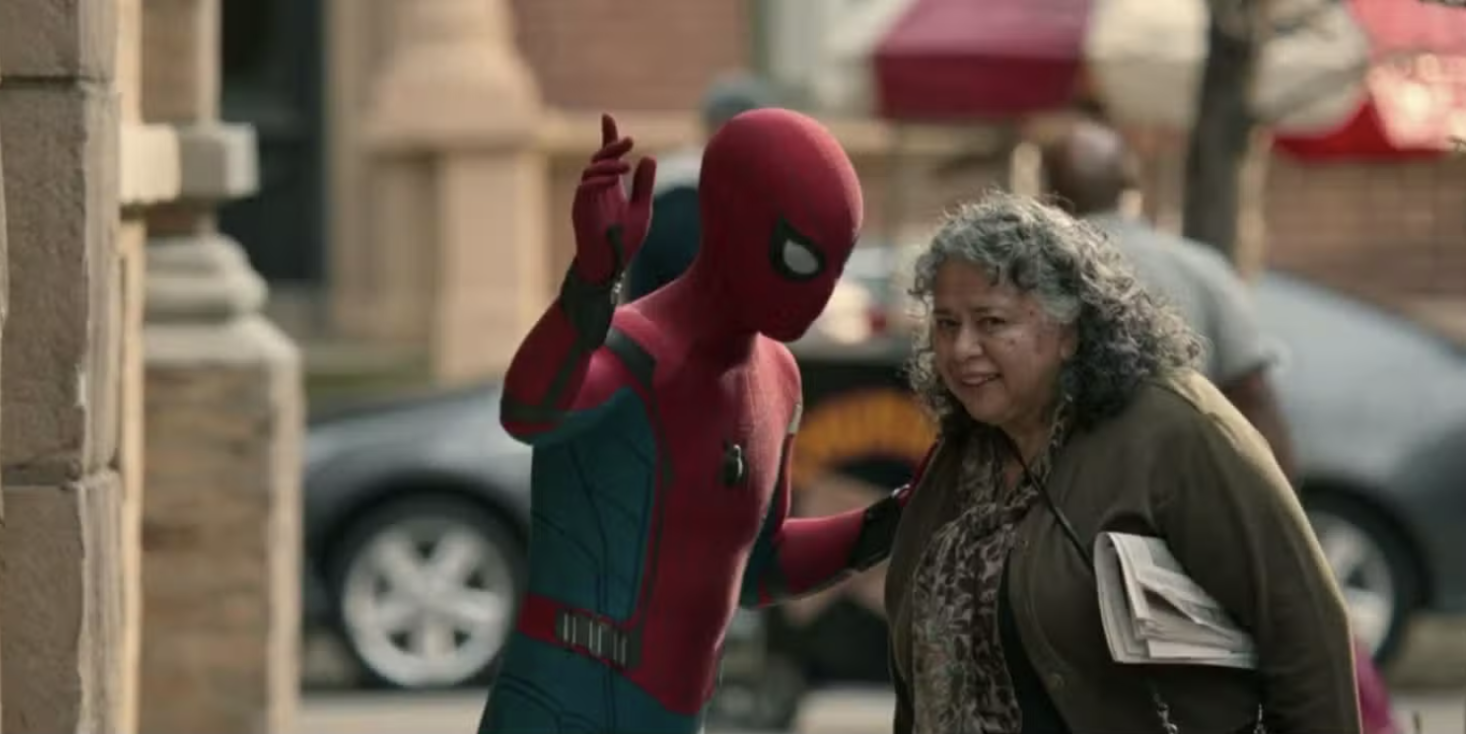
courtesy of Collider
At the end of the film, Peter runs into his old best friend again. Rather than avoid or isolate, he steps forward and tries to connect. While it’s left ambiguous, there’s a spark of hope that Peter may be able to build something new. He finally learns to invest in others again, to create bonds and lean on them when times get hard.
Prevention is easier than recovery, but Peter teaches us that it is never too late to reach out, restart, and try again.
Burnout is not an individual deficit; it is the product of a structure that isolates, exhausts, and expects us to do more with less. Simply telling physicians to “be more resilient” is not enough. Yet, until the system changes, we must lean into the areas we can control: caring for ourselves, reaching out to others, and accepting that we are human. Flawed, tired, vulnerable, and worthy.
It is never too early to prevent burnout. It is never too late to begin to heal.
The greatest heroism in medicine is not perfection or unyielding strength. It is the courage to ask for help, to continue to connect, and to remember that the most remarkable power we possess is our shared humanity.
So, if you recognize yourself somewhere along Peter Parker’s journey, know that you’re not alone. Try reaching out, even if it’s to a single friend. Re-ignite a passion or two, however small. Like Spider-Man, you’ll find that belonging isn’t lost forever. It waits for you, just on the other side. The hope is real. All you have to do is take the first step.
The remarkable thing about human connection is that it has a way of reaching back.
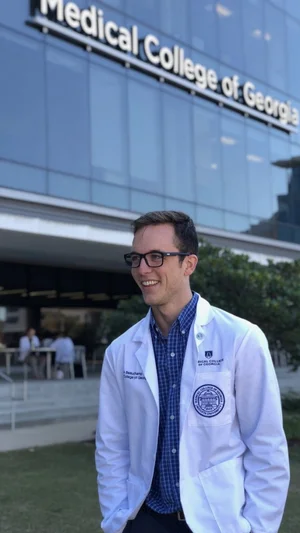
Tyler Beauchamp, MD, is a pediatric resident physician at UNC Children’s Hospital and a best-selling children’s and young adult author.